
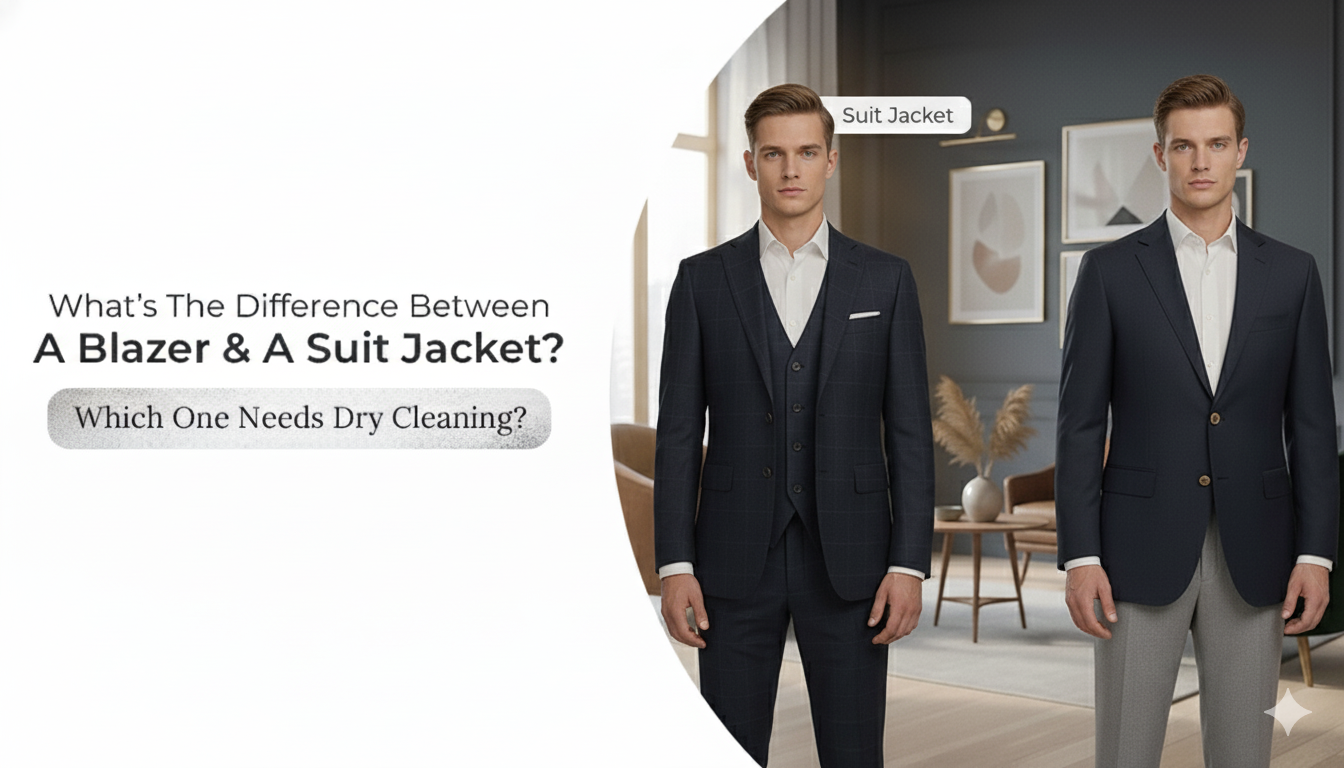
Understanding the difference between a blazer and a suit jacket is essential for building a versatile wardrobe and dressing appropriately for any occasion. While these two garments may look similar at first glance, they serve different purposes and follow distinct style rules. This comprehensive guide will help you understand exactly what sets them apart and when to wear each one.
A suit jacket is part of a matching set with trousers made from the same fabric, designed to be worn together as a formal suit. A blazer is a standalone jacket that's meant to be worn with unmatched trousers, offering more versatility and a semi-formal to casual look.
A suit jacket is a tailored jacket that comes as part of a two-piece or three-piece suit. It's specifically designed to match the suit trousers in fabric, color, and pattern, creating a cohesive formal outfit.
Fabric and Material: Suit jackets are made from fine worsted wool, wool blends, or seasonal fabrics like linen and cotton. The fabric matches the suit trousers exactly, ensuring a uniform appearance.
Matching Set: The defining feature of a suit jacket is that it's always part of a matching ensemble. The jacket and trousers are cut from the same bolt of fabric.
Formality Level: Suit jackets are the most formal option, appropriate for business meetings, weddings, court appearances, and corporate events.
Construction: They typically feature a more structured silhouette with padded shoulders, canvas interlining, and a precise fit that creates a sharp, professional appearance.
Buttons: Usually features 2-3 buttons, though single-button styles exist for more fashion-forward designs.
Color Palette: Common colors include navy, charcoal, black, and grey, with subtle patterns like pinstripes or windowpane checks.
A blazer is a standalone jacket that's designed to be worn with different trousers, offering greater versatility in your wardrobe. Originally, blazers were navy blue jackets with metal buttons worn by rowing clubs, but the term has evolved significantly.
Standalone Piece: Blazers are meant to be mixed and matched with various trousers, from dress pants to chinos to jeans.
Fabric Variety: Blazers come in diverse fabrics including wool, cotton, linen, velvet, and blends. The fabric is often more textured or casual than suit jacket material.
Button Style: Traditional blazers feature metal or contrasting buttons, though modern versions may have matching buttons. Most have 2-3 buttons.
Less Structured: Blazers typically have lighter construction with less shoulder padding and softer canvas, making them more comfortable for extended wear.
Formality Range: Blazers span from smart casual to business casual, making them incredibly versatile for everything from office wear to weekend outings.
Color and Pattern: Blazers offer more freedom with colors like navy, tan, olive, burgundy, and patterns such as houndstooth, herringbone, or bold checks.
Suit Jacket: Must be worn with matching trousers. Wearing a suit jacket with different pants creates an incomplete look and is generally considered a fashion mistake.
Blazer: Designed to be worn with non-matching trousers, offering endless combination possibilities.
Suit Jacket: Features smooth, fine fabrics with minimal texture. The material prioritizes a sleek, formal appearance.
Blazer: Often made with textured fabrics like flannel, hopsack, or linen weaves that add visual interest and casual appeal.
Suit Jacket: Buttons match the fabric color for a subtle, unified look. Minimal contrast in details.
Blazer: Traditional blazers have metal buttons (gold or silver), though modern styles vary. May feature contrasting buttons, patch pockets, or decorative elements.
Suit Jacket: Heavily structured with canvas interlining, pronounced shoulder padding, and a rigid silhouette.
Blazer: Softer construction with less padding, creating a more relaxed and comfortable fit suitable for casual settings.
Suit Jacket: Typically features jetted or flap pockets that maintain a streamlined silhouette.
Blazer: May have patch pockets (pockets sewn onto the outside) for a more casual, relaxed appearance.
Suit Jacket: High formality, appropriate for formal business settings, interviews, weddings, and legal proceedings.
Blazer: Medium formality, perfect for business casual offices, smart casual events, dinner dates, and semi-formal occasions.
Suit jackets are your go-to choice for formal occasions where professionalism and polish are paramount:
Remember: Always wear your suit jacket with its matching trousers. Never separate the pieces.
Blazers shine in versatile settings where you want to look polished without being overly formal:
The beauty of a blazer lies in its versatility. Here are proven combinations:
Classic Business Casual: Navy blazer + grey wool trousers + white dress shirt + brown leather shoes
Smart Casual Weekend: Tan blazer + dark denim jeans + polo shirt + loafers
Summer Sophistication: Light blue linen blazer + cream chinos + white t-shirt + boat shoes
Fall Elegance: Burgundy corduroy blazer + olive chinos + chambray shirt + desert boots
Winter Layers: Charcoal wool blazer + black turtleneck + grey flannel trousers + Chelsea boots
The most common mistake is wearing a suit jacket with non-matching trousers. The fabric, texture, and formality level will always look mismatched. If your trousers are slightly different in shade or show wear, people will notice.
Wearing a full suit to a casual event can make you seem out of touch, while wearing a casual blazer to a formal business meeting may appear unprofessional. Understand the dress code.
Both blazers and suit jackets should fit properly at the shoulders, chest, and length. A poorly fitted jacket undermines your entire look regardless of quality.
Heavy wool suits in summer or linen blazers in winter can be uncomfortable and impractical. Choose appropriate fabrics for the climate.
Technically yes, but it's not recommended. Suit jackets are designed as part of a matched set, and the formal fabric and construction look awkward when paired with casual trousers. If you need a versatile jacket, invest in a proper blazer instead.
The exception is "orphaned" suit jackets—when you've damaged the trousers beyond repair. Even then, the jacket's formal fabric makes it difficult to style casually.
If you can only invest in one item initially, choose a navy or charcoal suit. This gives you a formal option for important occasions and job interviews.
Your second purchase should be a navy or tan blazer. This dramatically expands your outfit options and provides the versatility needed for everyday wear.
For a well-rounded wardrobe, aim for:
Suit Jackets: Expect to invest more since you're buying a complete suit. Quality suits range from $300-$500 for entry-level to $1,000-$3,000+ for designer or bespoke options.
Blazers: Can be purchased individually, with good options starting around $150-$400. Designer blazers range from $500-$2,000+.
Quality matters for both. A well-made $500 blazer will outlast and look better than a poorly constructed $200 one.
While discussing blazers and suit jackets, it's worth mentioning sport coats. A sport coat (or sports jacket) is another standalone jacket, historically made with rougher, more casual fabrics and patterns like tweed, checks, or herringbone.
The distinction between blazers and sport coats has blurred in modern fashion, with many people using the terms interchangeably. Generally, sport coats are the most casual of the three jacket types.
Today's fashion has relaxed some traditional rules:
Smart Casual Workplaces: Blazers have become the standard, with suits reserved for client meetings or presentations.
Unconstructed Jackets: Modern blazers often feature minimal padding and softer shoulders for a more contemporary, relaxed look.
Casual Fabrics: Denim, jersey, and technical fabrics have entered the blazer category, blurring lines between jackets and sportswear.
Bold Patterns: Contemporary blazers embrace louder patterns and colors that would never appear on traditional suit jackets.
The fundamental difference comes down to this: suit jackets are formal, matched pieces worn as part of a suit, while blazers are versatile, standalone jackets designed to mix and match with various trousers.
Understanding this distinction helps you:
Both have their place in a well-rounded wardrobe. Suit jackets provide the formality needed for important professional occasions, while blazers offer the versatility required for everyday style.
READ ALSO:- How to Clean Blankets at Home?
Can I wear a blazer to a formal event?
Generally no. Formal events require a suit or tuxedo. A blazer is too casual for black-tie or formal dress codes.
How should a blazer fit differently from a suit jacket?
Both should fit well in the shoulders and chest, but blazers can be slightly more relaxed in the body while suit jackets maintain a sharper silhouette.
Are blazer and sport coat the same thing?
They're similar, but traditionally blazers were solid navy with metal buttons, while sport coats featured patterns and textures. Modern usage has blurred these distinctions.
Can I wear a black blazer instead of a suit jacket?
A black blazer can work for semi-formal occasions, but it won't look as polished as a proper black suit for formal events.
What color blazer is most versatile?
Navy is the most versatile blazer color, working across seasons and pairing well with grey, khaki, olive, and denim trousers.
Should blazer buttons match or contrast?
Traditional blazers have contrasting metal buttons, but modern styles often feature matching buttons for a more subtle look. Both are acceptable.
How many blazers should I own?
Start with two: one navy for year-round wear and one lighter color (tan, grey, or light blue) for spring and summer.
Can women wear blazers the same way as men?
Yes! The same principles apply, though women's blazers may have different cuts and styling details. The key distinction between suit jackets and blazers remains the same.
DryOxy offers free doorstep pickup and delivery across Gurugram. Learn more about our dry cleaning service, see the price list, or contact us to schedule a pickup.
We serve: DLF Phase 3 · Sector 24 · Golf Course Road · Cyber City · MG Road




Schedule a Pickup
✨ Get 20% Off on 1st Order ✨